Emerging Home Design Trends to Watch in 2026
- michgirl0076
- Jan 16
- 3 min read

The way we design our homes changes with time, reflecting shifts in lifestyle, technology, and values. In 2026, home design is moving toward spaces that blend comfort, sustainability, and smart technology without sacrificing style. Whether you are planning a renovation or simply curious about what’s next, these trends offer practical ideas to create a home that feels modern and welcoming.

Natural Materials and Earthy Tones
Homes in 2026 will embrace natural materials like wood, stone, and clay to bring warmth and texture indoors. These materials create a calming atmosphere and connect the interior with the outdoors. Expect to see:
Raw wood finishes on floors, ceilings, and furniture
Stone accents in kitchens and bathrooms, such as countertops and backsplashes
Clay and terracotta tiles adding rustic charm to floors and walls
Color palettes inspired by nature, including warm browns, soft greens, and muted ochres
This trend supports a sense of grounding and sustainability, encouraging homeowners to choose materials that age beautifully and have a smaller environmental footprint.
Flexible Spaces for Changing Needs
The pandemic reshaped how we use our homes, and this influence continues in 2026. Spaces are designed to be flexible and multifunctional, adapting to work, play, and rest. Key features include:
Movable partitions or sliding doors to create privacy or open up rooms
Convertible furniture like fold-out desks and Murphy beds
Rooms that serve dual purposes, such as guest bedrooms that double as home offices or workout areas
This flexibility helps maximize space, especially in urban homes, and supports a lifestyle that balances productivity and relaxation.
Smart Home Integration with Simplicity
Technology in home design is becoming more seamless and user-friendly. Instead of complicated systems, 2026 favors smart devices that blend into the background and enhance daily life without overwhelming it. Look for:
Voice-activated lighting and climate control that adjust based on presence and preferences
Smart appliances designed with minimalist aesthetics
Security systems integrated discreetly into the home’s design
The goal is to create a home that feels intuitive and comfortable, where technology supports convenience and energy efficiency.
Biophilic Design for Well-being
Bringing nature indoors goes beyond materials. Biophilic design focuses on improving well-being by incorporating natural elements and patterns. This includes:
Large windows and skylights to maximize natural light
Indoor plants placed strategically to improve air quality and mood
Patterns and textures inspired by nature, such as leaf motifs or water-like shapes in textiles and wallpapers
Homes designed with biophilic principles help reduce stress and increase comfort, making them healthier places to live.
Sustainable and Energy-Efficient Features
Sustainability remains a priority in 2026 home design. Beyond materials, homes are built or renovated to reduce energy use and waste. Examples include:
Solar panels integrated into roofs or windows
High-performance insulation and energy-efficient windows
Water-saving fixtures and rainwater harvesting systems
Use of recycled or reclaimed materials in construction and decor
These features not only lower utility bills but also contribute to a smaller carbon footprint, appealing to environmentally conscious homeowners.
Bold Accent Colors and Artistic Details
While natural tones dominate, 2026 also welcomes bold accents to add personality and interest. This can be through:
Vibrant colored furniture pieces like a deep blue sofa or mustard yellow armchair
Artistic wall treatments such as murals, textured plaster, or geometric tiles
Unique lighting fixtures that serve as statement pieces
These touches allow homeowners to express individuality while maintaining a balanced and harmonious overall design.
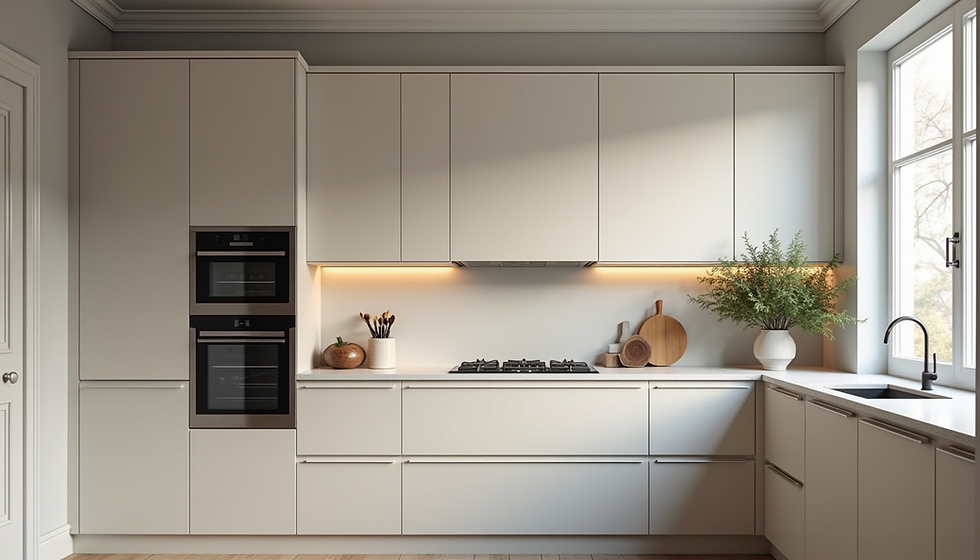
Minimalism with Warmth
Minimalism continues to influence home design but with a softer, warmer approach. Instead of stark, cold spaces, 2026 favors:
Clean lines combined with cozy textiles like wool, linen, and velvet
Open layouts that feel spacious but inviting
Thoughtful storage solutions that keep clutter out of sight
This style supports calm living environments that feel both modern and comfortable.


Comments